 BrandyzerListing Leverage
Fix weak Amazon listings. Get paid for it.
Established Amazon brands are losing sales on their product pages. Listing Leverage shows you how to find them, upgrade their creative, and sell the fix.
Most sellers aren't bad at business. They're bad at photos.
They built a real product, got real reviews, and are making real revenue — but nobody on their team is a visual marketer. Their listing looks exactly like it did the day they launched it, while a competitor two rows down has lifestyle shots, an infographic, and A+ content doing the selling for them.
That gap is visible, provable, and fixable in one email. This playbook is the exact method for finding it, pitching it, and getting paid to close it — built and run for real money before it was ever written down.
Amazon Creative Optimization.
- 01
Find the seller
An established brand with real reviews and revenue.
- 02
Spot the weak creative
Flat photos, no lifestyle, no story.
- 03
Build a better one
A sample made for their exact product.
- 04
Pitch the upgrade
One short, specific email.
- $
Get paid
$399–599 per creative package.
Same product. Sold properly.
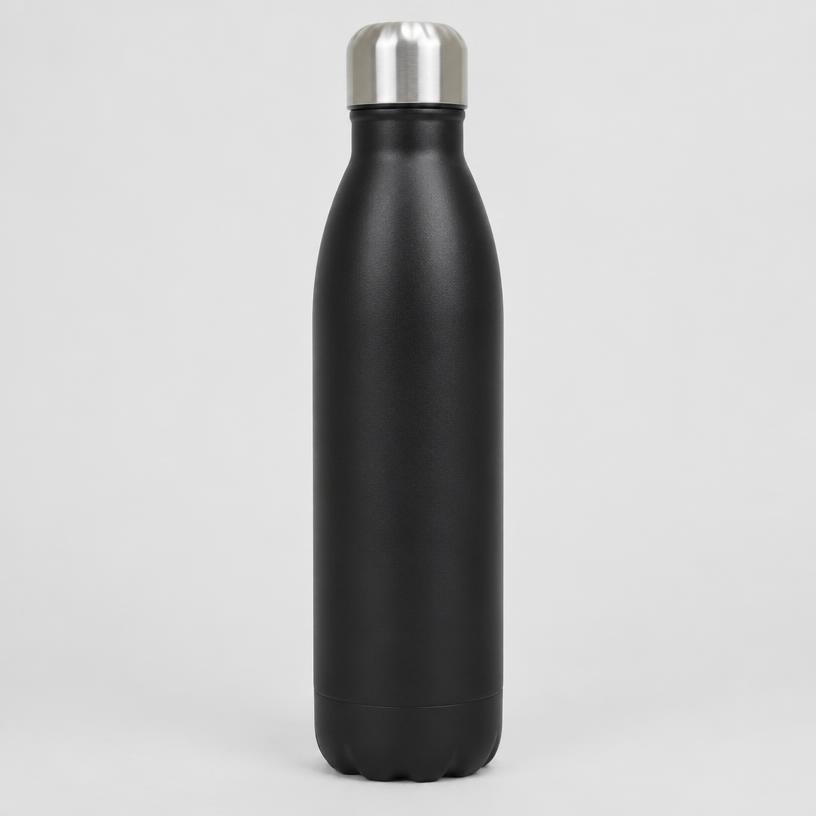

Nothing about the product changed. Only the creative did — and that's what a seller will pay for.
11 modules, a full walkthrough, and a swipe file.
Everything needed to run this manually and profitably from day one.
- 01The OpportunityWhy the creative gap exists on millions of listings.
- 02The Business ModelWhat to sell, how to price it, and the retainer path.
- 03Finding High-Opportunity ListingsThe four signals that separate a real prospect from noise.
- 04Researching the CompanyFinding a real decision-maker — never a guess.
- 05Outreach That Gets RepliesThe email and follow-up sequence that does the real work.
- 06Closing the DealHandling every common reply, from price to silence.
- 07Delivering the WorkWhat a strong deliverable includes.
- 08Scaling Beyond One-Off ClientsRetainers, pricing up, and adjacent platforms.
- 09The Fast PathWhen and how to automate once you've proven it by hand.
- 10A Full WalkthroughOne real prospect, start to finish — the whole arc.
- 11Common MistakesSeven avoidable mistakes that make people quit early.
- +Appendix — Swipe Templates & Objection ScriptsCopy-paste emails, follow-ups, and a pricing ladder.
This is for you if
- You want a real offer you can pitch this week, not another theory to read.
- You're comfortable sending cold emails and handling a "no."
- You'd rather sell to businesses with revenue than chase consumer trends.
This isn't for you if
- You want something fully passive with zero outreach involved.
- You're looking for a guaranteed-income claim — nobody can promise that.
- You want the automation build itself, not the business model behind it.
Listing Leverage teaches the method. Brandyzer is being built to automate it.
Once you've proven the method by hand, Brandyzer will handle the parts that take the most time — finding prospects, researching companies, and drafting outreach — so the only manual step left is deciding who to contact.
In private development · Buyers hear firstStart with one listing.
Instant download.
Secure checkout by Stripe.
Included
- The full 25-page playbook — 11 modules, a full walkthrough, and a conclusion
- The swipe file: first email, two follow-ups, scope confirmation, and objection scripts
- The prospect tracking sheet columns and pricing ladder, ready to use
- A first look at Brandyzer, the tool that automates this process
Frequently asked
Do I need any tools or budget to start?
No. Everything in the playbook can be run by hand — a browser and a spreadsheet are enough to find your first prospects and send your first emails.
How is this different from generic dropshipping or ecom courses?
You're not building a store, running ads, or holding inventory. You're pitching an existing, revenue-generating business a specific, provable fix — a completely different sales motion with a much shorter path to a first client.
Does this guarantee I'll make money?
No course can promise that, and you should be skeptical of any that does. What this gives you is the exact method, pricing, and templates already used to close real clients — the results depend on you actually sending the outreach.
Do I need design skills to deliver the work?
No, but you do need a way to produce the creative — your own design skills, a freelancer, or AI-assisted image tools. The playbook covers what "good" looks like, not how to operate design software.